
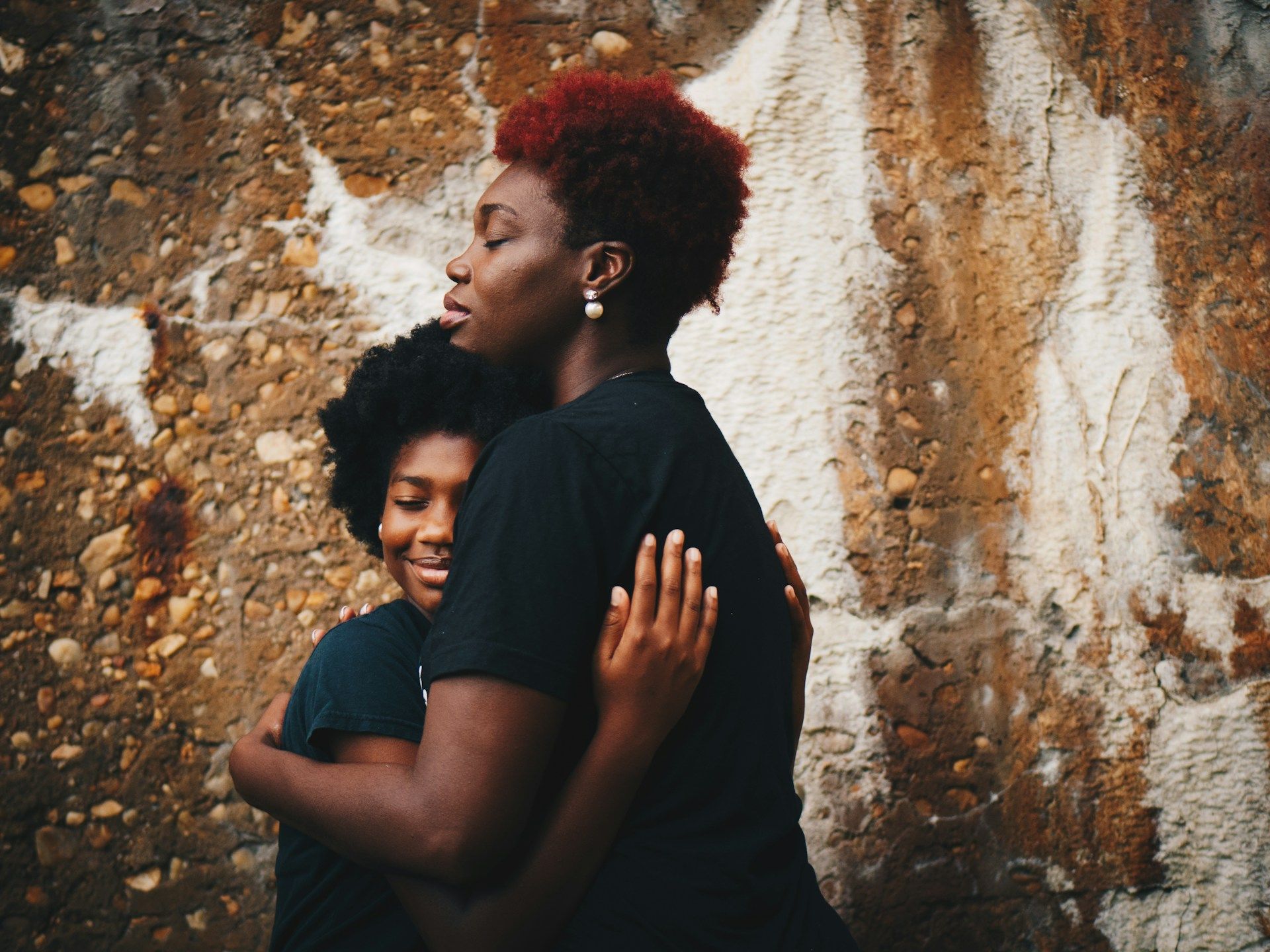

May was established as Mental Health Awareness Month in 1949 by the organisation Mental Health America (then known as the National Association for Mental Health). It was created. It is a month dedicated to educating the public on the dangers of neglecting mental health and promoting awareness and treatment. Yes, treatment. To validate everyone who has been told that the sadness they felt was just a phase, or that the panic attack that gripped their heart tightly enough to squeeze was “just stress".
Growing up, especially in Africa, feelings are often treated as less than human nature and more as a weakness. When waves of sadness eclipse you, teachers tell you to suck it up. And with time, that’s exactly what we do, isn’t it? We suck it up because that’s what we are accustomed to doing. We suppress all those big feelings and keep them in a box, because that is what the generation before us was taught to do, as well as those before them.
But what good has ever come from suppressing our emotions? Humans are supposed to feel every single emotion: happiness, sadness, anger and excitement. So why is it that negative emotions are suddenly frowned upon? Why are people labelled weak or told they are overreacting simply because they feel deeply?
The narrative that emotional sickness should not be taken as seriously as physical sickness has been passed down through generation after generation, forming a pattern, almost a tradition. Stories are passed down from parents and grandparents about the punishments they received for crying when they were “not supposed to be crying", as if emotions can be locked away and only opened at will.
But with the birth of new generations, the world is beginning to wake up. To snap out of the spell it has been bound under for so long. Parents are starting to listen, to understand, and to pay attention to the mental well-being of their children. They are beginning to see that the battles fought within are just as important as those fought outside. Mental health kills, and the world becomes a much better place when people begin to understand that.
And all this makes me wonder: when will Africa catch up? Because the narrative that mental health is nothing more than a phase or a “rough patch” that “just needs time” is not being extinguished here as quickly as it is in other parts of the world. But even with that being said, we cannot say that Africa is not trying.
The newer generation is striving toward change. Toward a new norm where we can cry without being told off, where it is okay to hurt in the open without having to hide under our duvets. A world where therapy is seen as normal and helpful, rather than “that white people's business". And slowly but surely, it is catching on.

Parents are beginning to realise the errors in their ways and in the ways of those before them. Some are even going to therapy themselves. Mental health is being advocated for because people are striving to make a change. People like me, and people like you.
Making a change does not have to mean coercing every auntie and uncle you know into family therapy. It does not have to mean becoming a therapist. Sometimes, making a change is simply understanding that humans are complex and beautiful, like kaleidoscopes: many broken and fragmented pieces coming together to create one beautiful picture.
So many people go undiagnosed and untreated because they shrug off their symptoms as “nothing serious". So many lives are lost in battles with mental health because no treatment was sought. So many people are still on the battlefield, weaponless, all because they have been hardwired to “tough it out” or because they believe they have “bigger fish to fry".
Asking for help is not weak. It does not make you less of a person. In fact, reaching out for help is one of the bravest things you can do. Letting down your walls and allowing others to help you build them back up. Going to therapy is not “airing out your dirty laundry”; it is strength.
And it is a strength anyone can possess. You are never too old or too young to feel sad. You are not “too young” to know what sadness is, because anyone can feel the need to talk about what is on their mind. Big, scary feelings do not confine themselves to big, scary bodies. Anyone can feel anxious, sad or afraid. Those feelings are often beyond your control. What you can control is what you choose to do about them.
Dwelling in negative emotions does not make you tough, no matter how it may make you feel or what you have been told. Getting help is okay. Black or white, big or small, young or old, help is not confined by who you are or what you believe.
So speak up. Talk about how you feel. Voice your fears and your worries. Help destigmatise mental health, because it matters. And if it is treated like it does not, it takes and it takes, and when there is nothing left to take anymore, it kills.
May was established as Mental Health Awareness Month to raise awareness, reduce stigma and educate the public about mental illness and well-being.
Do your part this May. Reduce the stigma. Educate the public. Debunk the ignorance. Mental health is not something to focus on for just one month. Although Mental Health Awareness Month may come to an end, the conversation should not end there. Every act of kindness, every effort to educate yourself and those around you, does not go unnoticed. That is you making a difference and changing the narrative. By pitching in little by little, day by day, we are creating a world where mental health is treated with as much urgency as physical health.