This story is dedicated to Raabia’s late father, AbdulKadir Hawa.
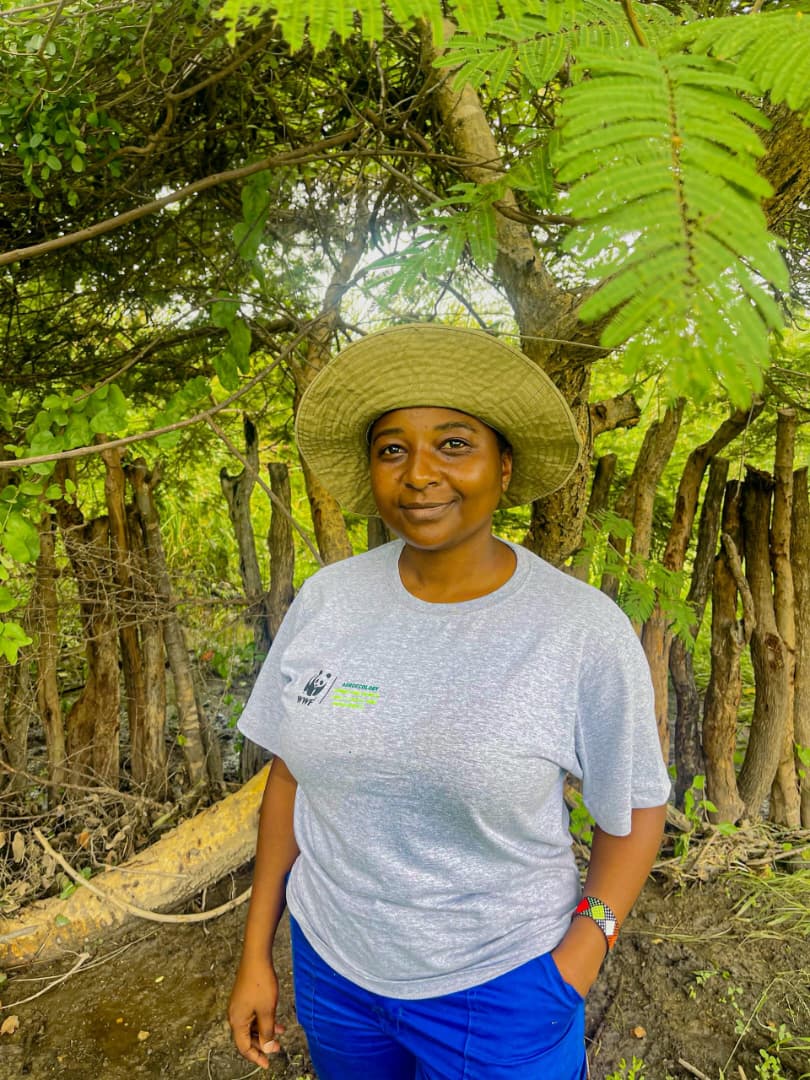
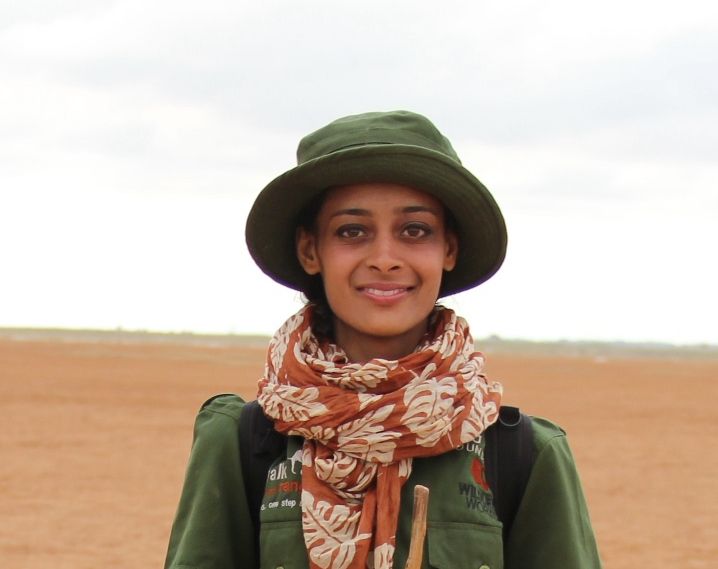
On paper, Raabia Hawa runs a small conservation nonprofit with 12 rangers on Kenya’s coast. On the ground, she is often the barrier between the Kipini forest and those who want to destroy it.
She avoids calling herself an activist because in Kenya, that label can invite problems. Instead, she says, “I bear witness to environmental and animal abuse and destruction”.
Even as we speak, she is being threatened by all manner of people with vested interests in the forests in the Tana River Delta. In the past, the threats were clearer, easier even. They came from the mining companies and politicians with big money.
“We knew who we were up against,” Raabia says.
Now, she is facing what she describes as an “elite capture”. A handful of influential local decision-makers have aligned themselves with political and business interests, then turned the wider community against conservation efforts.
People have posted videos online, some holding machetes and calling her out by name: 'We’re coming for you, Raabia,' they say.
Earlier, about 20 community members were brought to Nairobi for a televised meeting with the deputy president and accused her of grabbing their ancestral land.
On digging deeper, she found that parcels of the land had been quietly pre-sold to external businessmen. “That’s when I knew the claims about it being ancestral land weren’t genuine,” she says. “They were weaponising a human rights narrative to delegitimise the forest and discredit me.”
At one point, her small team of 12 rangers faced crowds of up to 600 people entering the forest to cut trees. Raabia pleaded with them to stop. She explained that the area was an elephant birthing ground and that clearing the buffer zone would put nearby farming communities at risk of dangerous human–wildlife conflict.
Eventually, the local administration was able to mobilise services to prevent further damage and calm matters down, at least for the time being.
“This isn’t something that disappears because security showed up one day,” she says. “There’s a lot of verbal poisoning happening underneath.”
She believes the powerful actors with mining interests are regrouping and looking for another way in.
“As long as the forest is standing”, she says, “they’ll keep trying to take it.”
***
Raabia describes herself as someone who moves forward blindly with vision.
It sounds contradictory, so I ask her to explain this.
“I mean, I worry about worst-case scenarios like anyone else,” she says. “But when it comes to the forest, it’s different. I feel like I’m part of it. The environment, the wildlife...”
Because of that connection, her instincts aren’t like most people’s.
“Most people would do a risk analysis,” she says. “They’d think, okay, I could be threatened, intimidated, targeted. I just don’t think like that. I’m kind of blind to it when I make a move. I just see what needs protecting and go”.
What she does isn’t a job or a career; it’s a calling. In fact, she’s quick to point this out.
“It doesn’t really earn me a living,” she says, “but it earns me a life.”I think you either live to exist or exist to live. I choose to exist to live every day. I go through good times and bad, face challenges and celebrate triumphs. Sometimes I get recognition, but that doesn’t really change me. Either way, I’ll keep doing what I do until the end”.
***
Raabia wasn’t always here.
Her father worked in the aviation industry, and his job meant they were always on the move as a family. Saudi Arabia, Dubai, Ethiopia, South Africa, London, the U.S., Raabia went to school in all these different places.
Kenya was always home, but stability was hard to find.
“There’s a downside to that kind of childhood,” she says. “You never really build lifelong friends.”
She finished high school in Kenya, then briefly moved to England for her A-levels. The family was planning to relocate there, but the plan fell through, and she returned to Kenya to sit her final exams. By then, her father had retired, and money was tight.
The disruption cost her the grades she needed to secure a scholarship to study marine biology.
“I didn’t want to burden my family with university fees,” she says, “that’s why I was chasing scholarships.”
When that didn’t work out, she took the first job that came along: radio. At the same time, she took a teaching course and became a kindergarten teacher.
“I’d teach for a couple of hours and do radio for a couple of hours,” she says.
But teaching small children meant she was always catching coughs and colds. She was often nursing her voice with hot water, honey, and ginger before going on air.
“At some point, I just got tired of it,” she says. “So I left teaching.”
***
In her free time, Raabia volunteered by counting rhinos, tagging elephants, and joining ranger patrols. And then, she discovered elephant poaching in Kenya was rampant.
“I remember thinking, hang on,” she says. “If this is happening and I don’t know about it, and I’m the media, then ordinary Kenyans definitely don’t know.”
So she started reporting what she saw.
“If we found five dead elephants, I would write about five dead elephants.”
Her office made it easy because the Star Newspaper was one floor below the radio studio.
Soon, there were daily stories about poaching. Kenyans were informed, and authorities were encouraged to provide regular wildlife status updates, which increased support for their work.
***
In 2013, Raabia had an idea.
“I wanted to do something that would raise awareness about poaching and what rangers were going through.”
At the time, many people believed rangers were complicit in poaching simply because they knew where the elephants were.
“Which wasn’t true at all,” she says. “These were the same people risking their lives to protect wildlife.”
Her first idea was a symbolic walk from Nairobi National Park to the Kenya Wildlife Service headquarters.
“Then I thought, no,” she says. “This problem is much bigger than that. Let’s make it bigger.”
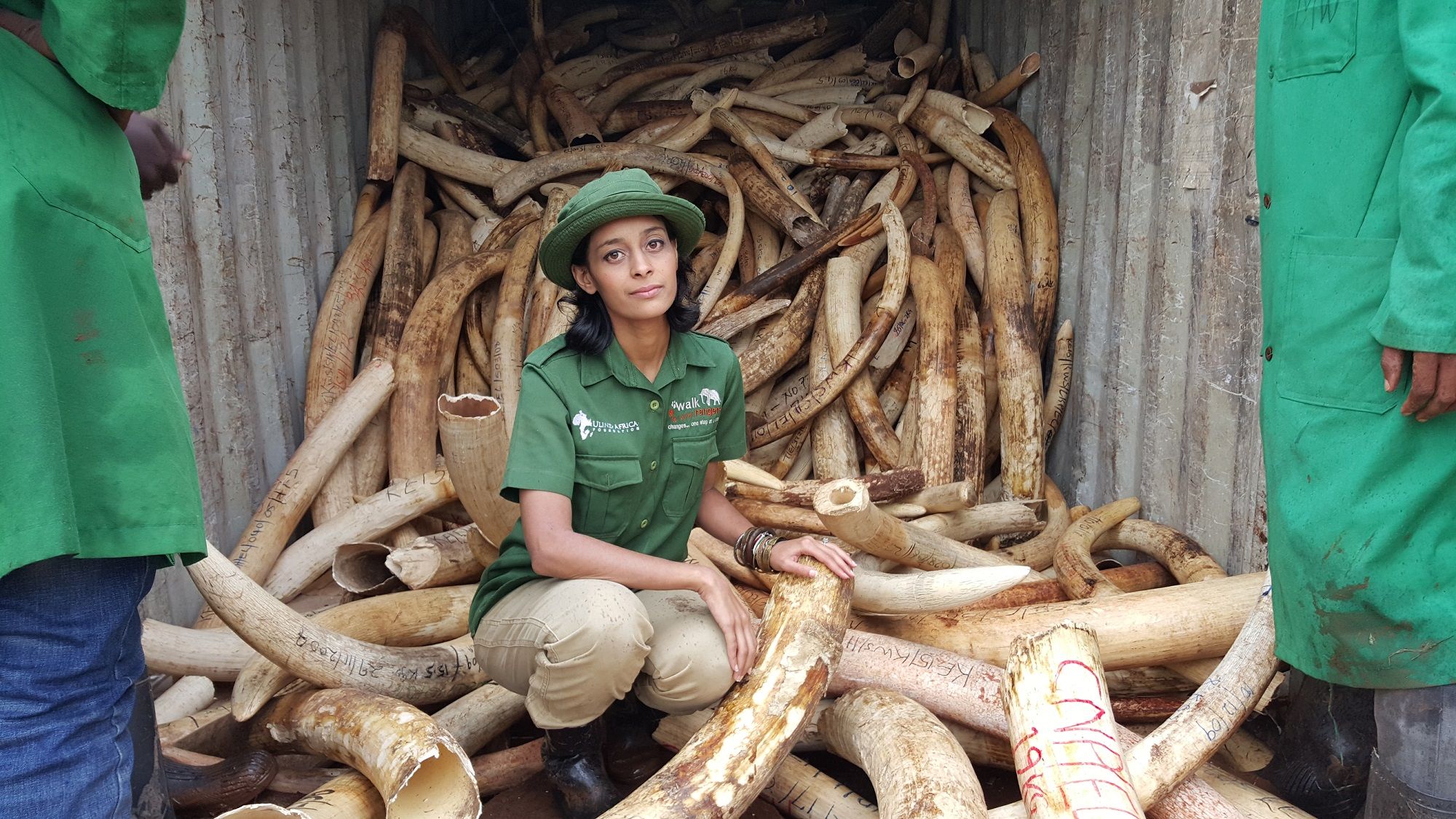
So, she planned a cross-border walk from Arusha, Tanzania, to Nairobi, cutting through wildlife corridors and bushland where poaching was most intense. It took a year to prepare.
“I didn’t even know what I was doing,” she laughs. “I was just figuring it out as I went.”
By then, her Facebook page had started gaining traction. Word spread, and in the end, 71 people from around the world joined the 15-day walk, along with about 30 rangers. They raised just over 40,000 dollars.
She offered the money to conservation groups to set up a ranger unit in the Tana River Delta. No one wanted the remote assignment. Finally, a Kenya Wildlife Service director and family friend told her, "Start your own organisation; we’ll support you."
“I didn’t know anything about running an NGO.”
But he insisted.
“So I thought, okay,” she says. “If that’s what it takes, let’s do it.”
In October 2014, she registered Ulinzi Africa Foundation. Ulinzi means protection.
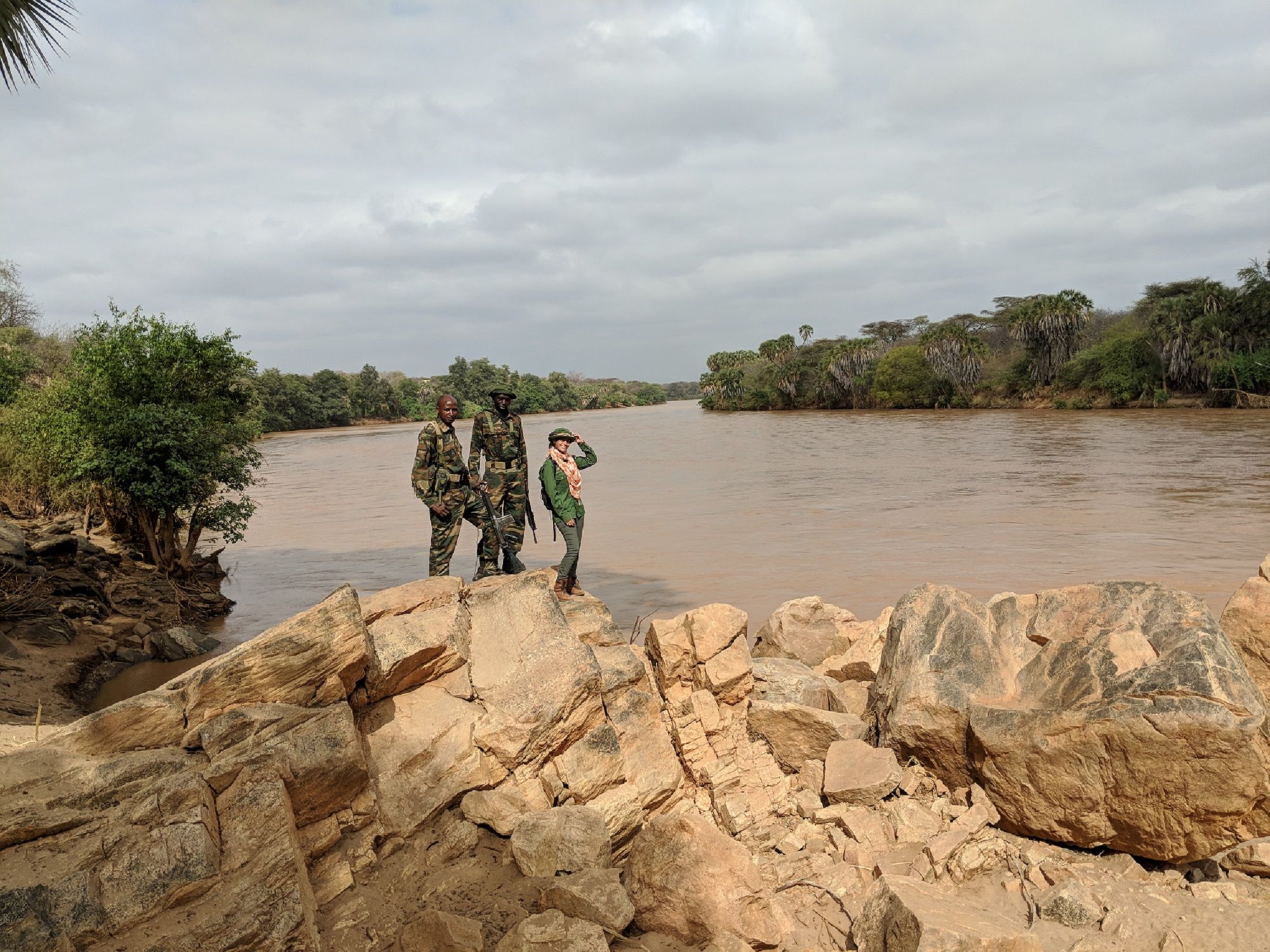
In the early days, resources were limited. She paid for operations with savings from her radio job and didn’t even pay herself.
“I only started paying myself after my dad passed,” she says. “Before that, he was still helping me out.”
***
When critics frame conservation as an obstacle to development, Raabia shakes her head.
“I’m not against development,” she says. “I’m against bad development. Development should be sustainable. It should be ecologically sound. It should consider future generations,” she says.
What frustrates her most is that the safeguards are already in place.
“Even the World Bank has environmental and social standards”, she says. “But do these developers actually consider the biodiversity? No. They want fast deals, quick profits, and kickbacks. They want everything done before someone raises a red flag. And that’s where people like me come in. I will always raise the red flag.”
***
Does she ever get scared?
“Yeah,” she says. “Of course, I get scared.”
Her colleagues in the human rights and environmental defenders network sometimes warn her.
‘Don’t let this be the hill you die on,’ they often say.
“And my response is always, what better hill?”
Her faith shapes how she thinks about it. As a Muslim, she believes death is already written, when it happens, where it happens, and how it happens.
“That’s Qadr,” she says. “A divine decree. No human being can change what God has decided. We’re tiny, really.”
All she can do, she says, is take reasonable precautions and keep doing the work she believes she’s meant to do.
“If God put me here to protect this forest, then let me protect it,” she says. “And when it’s time for me to move on, something will change. I trust that.”
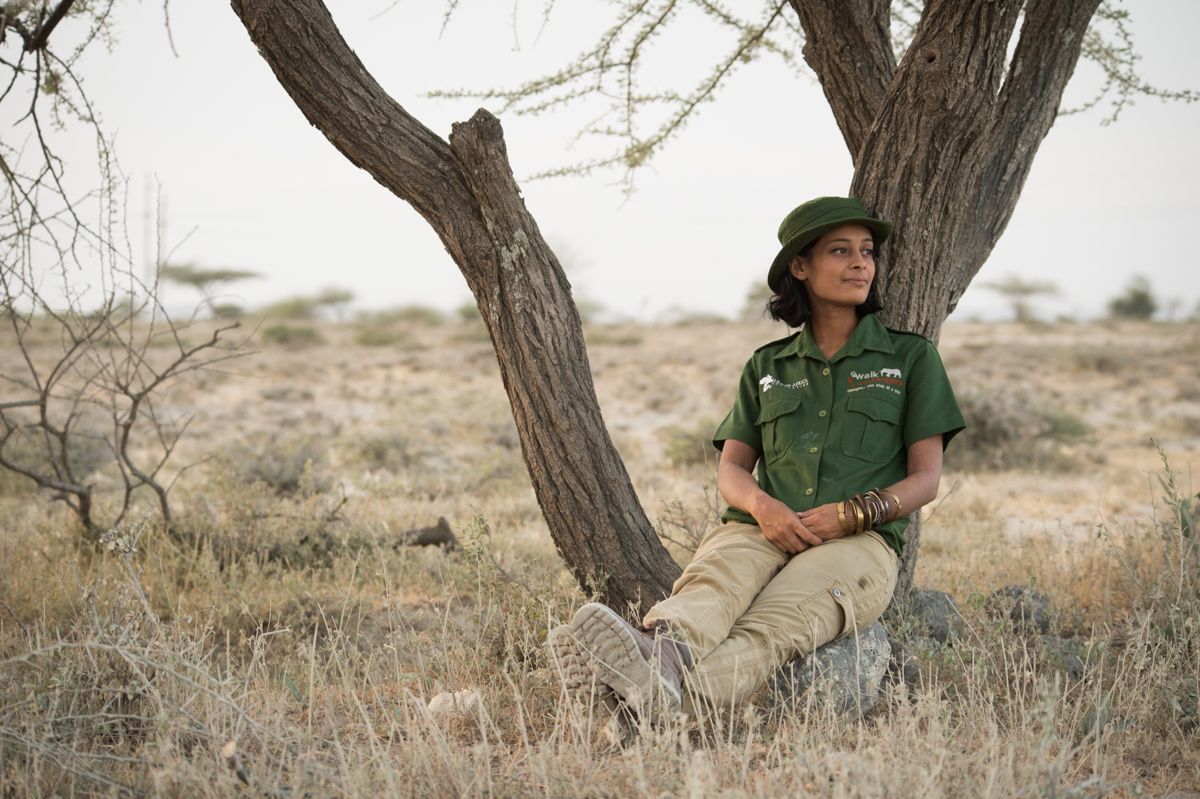
Her family and friends still don’t know the full weight of what she carries, and she prefers to keep it that way. When things get really difficult, she turns to her social capital.
“I’ve made friends in the right places,” she says. “And my intentions are clean. In Islam, we’re taught that your deeds are judged by your intentions. I don’t have bad intentions for anyone. I’m just trying to do the right thing.”
Her rangers, too, are a great support system. She tells me about a time funding ran out completely. She sat her team down and prepared to let them go.
“I told them, ‘I don’t know if I can pay you. I’ll write you recommendation letters,” she says.
Instead, they asked for a meeting among themselves. When they came back, their answer stunned her.
“They said, ‘Everyone is fighting you because you’re protecting this forest. And we’re here for the forest. So we’re not leaving. Pay us when you can.’”
Her voice breaks slightly.
“That was my worst day and my best day at the same time,” she says. “I thought I was shutting everything down. And they just stood by me…I’m very proud of them”
She also talks about a small group of young people she mentors, five students she jokingly calls her “mini army”. Because they get it, they don’t want to see the forest go.
Right now, she knows, many people in the community can’t see what she sees.
“But give it 10 years, 20 years, they’ll realise we were sitting on a gold mine, and someone almost took it away from us.”
In the meantime, Raabia continues to fight for them.
***
Before we wrap up, she tells me,
“Please dedicate this story to my dad, AbdulKadir Hawa.”
She explains that, beyond ensuring she got an education, her father helped her connect with nature.
“He’d take me outside all the time,” she says, laughing. “Sometimes he’d literally put me into a river, just to make me feel nature and connect. And that connection is just as important as education. You can’t separate yourself from the world you live in or from nature.”
I ask what he would say if he could see her now.
“I probably wouldn’t tell him everything,” she admits. “I wouldn’t want him to worry.”
Then she laughs.
“Although some things were hard to hide. Like when I met Obama, he just dropped me off and then saw it on TV later. He was like, ‘Why didn’t you tell me?’”
She was one of five conservationists that was selected to meet the former U.S. president when he visited Kenya in 2015. But celebrating herself has never come naturally, and in this way, she is like her father, who, she tells me, was very humble.
“He helped so many people and never talked about it”, she says.
When he passed away, strangers kept arriving at their house.
“One after another, they were telling us stories,” she says. “He paid for someone’s school fees. Helped someone escape violence. Covered hospital bills. All these things we never knew about. That’s when I realised how many lives he’d touched. I probably won’t have hundreds of people when I go. Maybe some animals.”
Then she grows serious.
“But I just hope what I do matters”, she says. “I hope that one day the fight won’t be necessary, the forest will be secure, and the next generation will pass it on to their children”.
***
This interview is part of a series profiling the stories of the 2025 WE Africa leadership programme fellows. African women in the environmental conservation sector who are showing up with a strong back, a soft front, and a wild heart.
***
About Raabia Hawa
Having served as an Honorary Wildlife Warden for 9 years, Raabia has pioneered ranger welfare and fortified wildlife security in remote landscapes. She raised global awareness of the challenges rangers face through “Walk With Rangers”, a cross-country trek. Her impact extends to strengthening Kenya’s Wildlife Legislation, promoting conservation at Judiciary Dialogues & advocating today for marine conservation policy.
She is among the Top 100 Most Influential Young Kenyans. She was also one of five conservationists who participated in a Conversation with Civil Society hosted by President Barack Obama.