Zambia's luxury fashion brand, Nkanda Yatu, consistently presents traditional aesthetics with modern silhouettes in its high-end clothing. The company’s focus on cultural expression and business sustainability offers a model for aspiring Zambian brands to compete in the global fashion marketplace and contribute to the local economy.

By Kathy Short for bird story agency
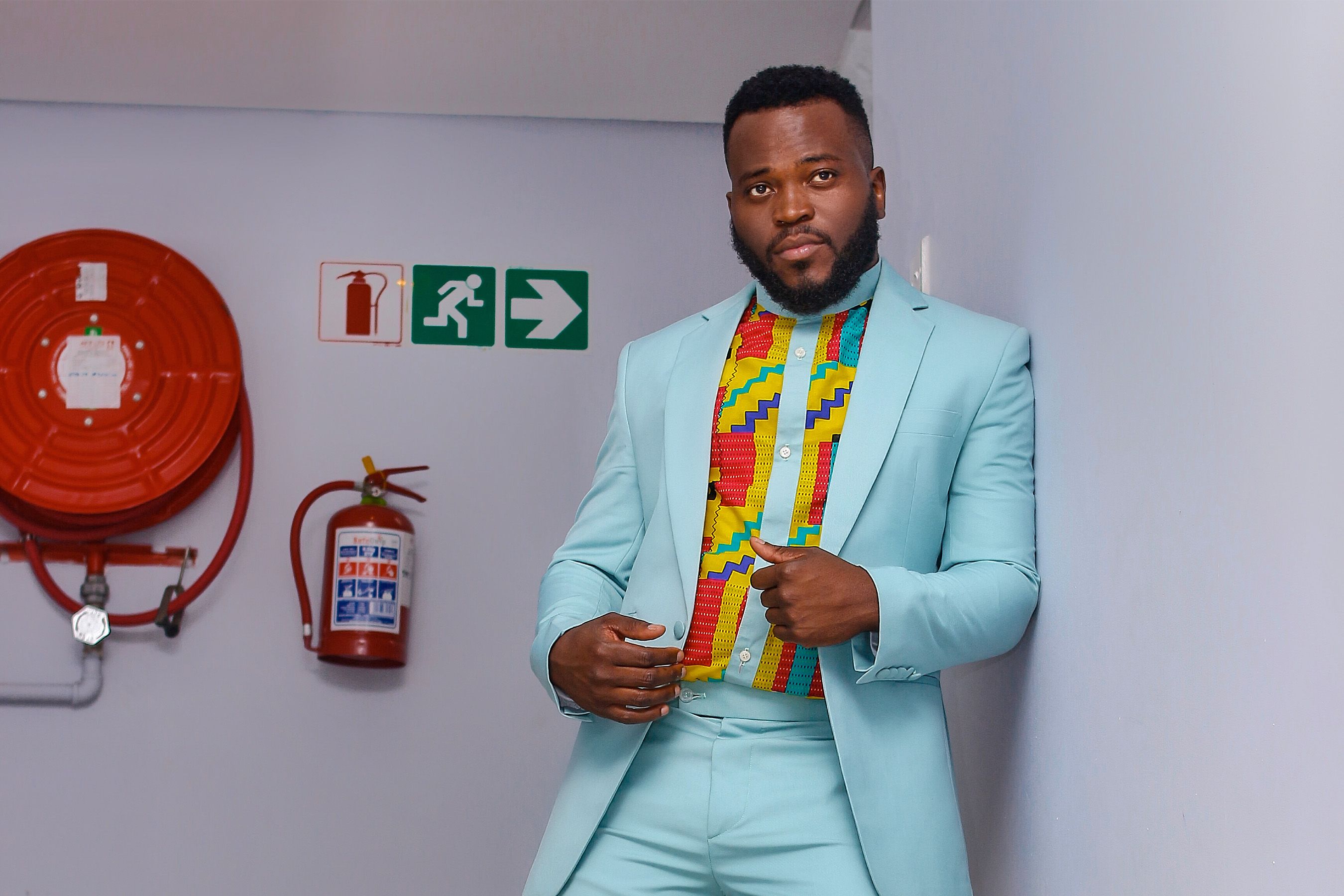
In a sleek studio off a busy road in Lusaka, a team of tailors and designers work carefully over fabric and beadwork, preparing garments for both local and international customers. Nkanda Yatu, founded by designer Kabaso Nkandu, is among a number of Zambian fashion brands seeking to expand beyond domestic markets while promoting local identity. The name Nkanda Yatu, meaning “Our Skin” in the Bemba language, reflects a focus on culture and self-expression. According to Nkandu, fashion provides a platform for storytelling.
“I wanted to communicate a Zambian story through art, and fashion became that medium,” Nkandu said.
Over the years, the brand has showcased collections on international platforms in Europe and Asia. Nkandu also designed Zambia’s national costume for the 2025 Miss World international pageant held in India.
“It was about presenting our culture in a distinctive way,” he told bird.
Inside the Nkanda Yatu studio, team members describe a demanding but structured working environment.
“He expects high standards and doesn’t entertain laziness,” said Natasha Chinyanta, a member of the design team. “It has helped me improve my skills and discipline.”
Business partner and fellow designer Kasonde Nkole said the brand’s growth has been steady, adding that her role in the company has improved her skills and paved the way for business opportunities.
“You can see the development over time. It shows that consistency is important in building a fashion business,” she said. "He's a rare friend, a good designer, a creative focused on what he does. You can see the gradual growth. He’s getting bigger and becoming an international designer. He's been to Milan Fashion Week, which most Zambian designers haven’t done before. So, seeing him push his brand to that level is really inspiring.”

Zambia’s government seeks to diversify its economy. Dr Nicholus Obby Mainza, an economist at the National Secretary at the Economics Association of Zambia, sees great potential in the fashion and textile sectors to drive growth.
“There is activity across the value chain,” he told bird. “From raw materials to production and retail, income is generated, and government collects revenue through taxes," Mainza said. “And every well-meaning government or every well-meaning nation, if they want to grow, if they want to improve the cost of living for their people, needs to be actually looking at economic sectors which actually contribute to lessening the cost of goods and services. And for me, the textiles sector is one that we need to begin promoting,” he added.
Analysts say sustained growth will require improved access to finance, training, infrastructure and export support. While international exposure can raise a brand’s profile, operating a fashion business in Zambia presents structural challenges. Designers cite high production costs, limited access to specialised fabrics and equipment, and financing constraints as barriers to growth. Industry stakeholders also note the need for stronger policy support for creative enterprises.
Designers are hoping for more supportive policies to enable them to grow the fashion industry. Nkandu said mentorship is one way to strengthen the sector’s future, especially for young girls and women.
“As the brand grows, I want to bring others along,” he said. “There is space for more designers to succeed.”
With increasing global connectivity and digital marketing platforms, Zambian designers now have greater visibility than in previous decades. Industry observers say that continued collaboration between the government, the private sector and creative entrepreneurs will be key to unlocking the industry’s potential. For Nkanda Yatu, the focus remains on balancing cultural expression with business sustainability, positioning Zambian fashion within a competitive global market while creating local opportunity.

“I designed the national costume, sharing the Zambian culture with the world, creating opportunities for them to be able to stand out in international pageants. But we are still struggling as an industry, making the growth of the business hard for most of us. And to even make it to platforms like Paris, Milan and Namibia fashion weeks, it's because we keep fighting,” he said. “So it has been key for me to make sure that as I’m growing the brand, I’m not just growing by myself, but I’m bringing a team with me because that‘s what Africa is all about."
bird story agency