
In Côte d’Ivoire, finding a first job is only part of the challenge for young people: many who work are in informal employment. Drawing on his own experience of limited access to education, Franck Gozé founded Youth Education to connect young people with employers and support them after they are hired.

By Akoi Mel Herve, bird story agency
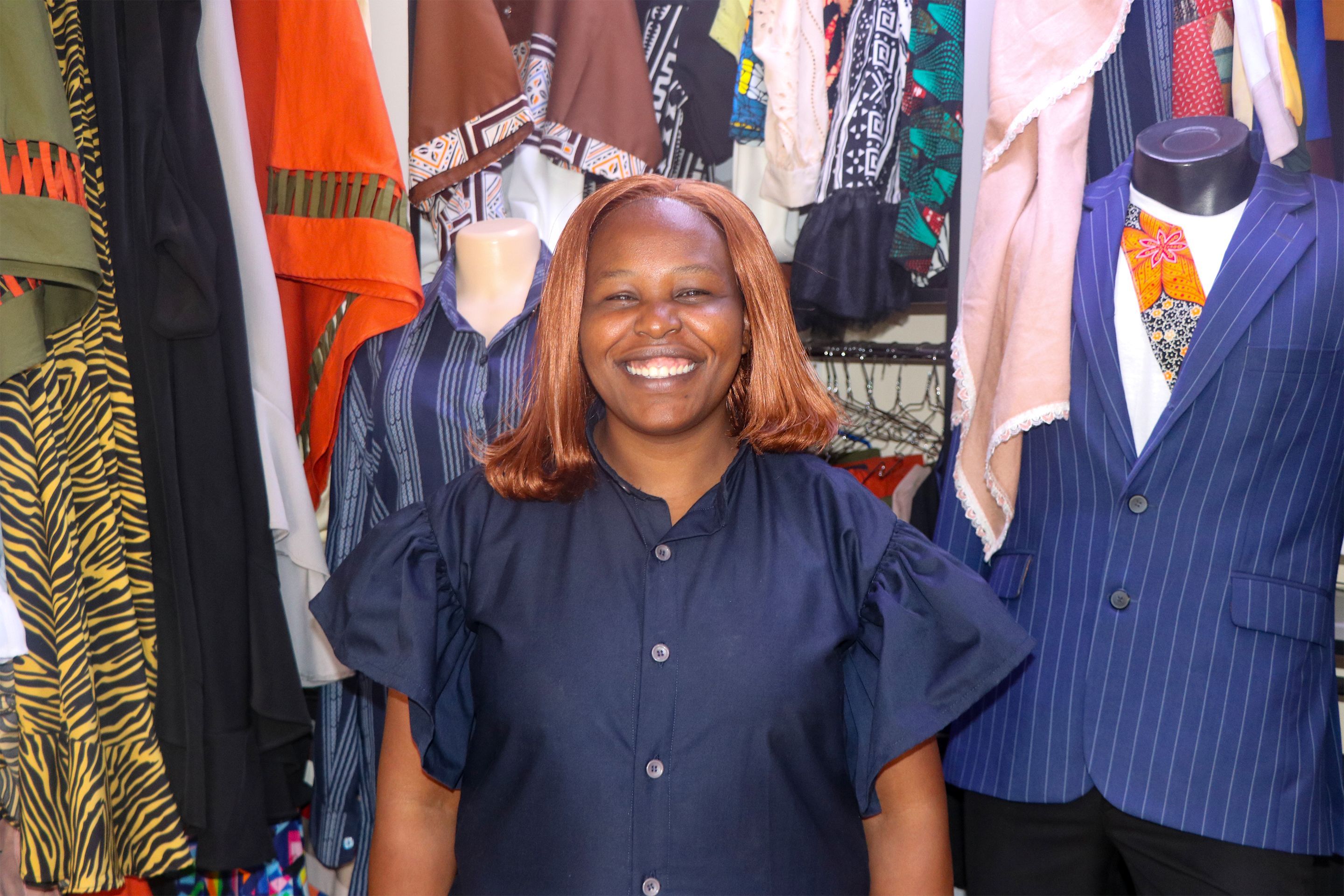
In the early morning at an office in the Abidjan suburb of Cocody, Franck Gozé stands before a group of young people in a room with bright pink walls. He is teaching, but the work he describes reaches far beyond a training session: helping young people find a place in the world of work, then staying with them as they make their way.
Gozé founded Youth Education in 2015 because he knew what it meant to have ambitions that his circumstances made difficult to pursue. He says he had limited access to school as a child and could not achieve the educational goals he had set for himself. He later worked for nearly ten years in the mining and oil sectors before moving into education.
“I am one of those who had a very difficult childhood and who were not really able to achieve the educational goals they wanted because I did not have much access to school,” he says.
His career persuaded him that young people needed support to see possibilities beyond the qualifications they held.
“I said to myself: it is possible, with or without diplomas, to make it in life. And that is how I created Youth Education, to change young people’s mindsets, especially by supporting children’s education.”
Youth Education’s approach begins with understanding each young person’s ambitions and abilities, while learning what employers need. For Gozé, securing a job is a milestone. What happens after a young person starts work matters just as much.

“The role of the employment counsellor is to monitor the number of young people assigned to them. So, they monitor their attendance in training and their progress throughout the training, but at the same time, they also work on improving the young person’s CV. At the same time, they visit companies to identify the companies’ needs. And so, when a profile is requested, they automatically know which profile matches the need and are already able to place the young person. After that, they follow up with the company to see what added value the young person brings to the job, how things are progressing, and what successes or failures they may encounter.”
The challenge extends beyond finding vacancies. According to a 2026 report by the African Futures and Innovation Programme, about 56.7% of the Ivorian population is in the 15–64 working-age group as of 2023, which will increase to 61.6% by 2043. A UNDP report put unemployment for the 15-24 age group at 3.9% in 2024, while citing World Bank data showing that 18.8% were neither employed nor in education or training in 2022. The International Labour Organization found that more than 97% of employed young people aged 15 to 29 held informal jobs in 2022. These measures cover different years and age groups, but together show why a job count alone tells an incomplete story.
N’Guessan Béraudy Stéphane knows what it is like to have ambition without a clear route into work. Before joining Youth Education, he spent about a year unemployed. He says he struggled to present his skills and identify opportunities that suited him.
“Although I had motivation and ambition, I did not always know how to showcase my skills, seize the right opportunities, and effectively navigate the professional world,” he says.
Through the programme, Stéphane says he developed his communication, leadership and decision-making skills. Support with self-confidence made the greatest difference. He now works in logistics at a local company, managing inventory, procurement, purchasing and company resources. He also helps coordinate activities and resolve operational problems.
Traoré Salimata’s path took her from volunteering on Youth Education projects to a full-time role with the organisation. She also worked with a local organisation and experienced about six months of unemployment before finding stable work. Today, she manages procurement at Youth Education, after taking on responsibilities in administration, programmes and accounting.
“Youth Education taught me a lot, first of all everything related to volunteering, mutual support, and then everything related to professional development. At Youth, I had quite an impressive journey. Today, I can say that I have managed everything related to administration. I have worked in programme management; I have managed programmes. I have also handled accounting. And today, I manage procurement.”
Salimata says other participants have also found work through Youth Education’s programmes and opportunities. The organisation says it has trained 2,200 young people in capacity-building, civic engagement and entrepreneurship. It reports that its education campaigns have helped 1,010 out-of-school students return to education and that young people have carried out 310 sustainable development projects in their communities. These are the organisation’s figures.
Its work has expanded beyond Abidjan. Youth Education says it has incubators in Bouaké, Daloa and San Pedro, as well as the AY Solutions centre for youth incubation and employment integration, which opened in 2021. It has developed Youth Media, a platform for young people, and the Ivorian Employment Fair, which connects young people with businesses and decision-makers. In 2022, it received Côte d’Ivoire’s National Award of Excellence for Best Youth Organisation.

Aquilas Yao, a consultant-trainer and soft-skills specialist, says programmes need to recognise that young people face different barriers.
“To say, ‘We are going to train young people in entrepreneurship,’ is vague. To say, ‘We are going to train young people to enter companies,’ is vague. Beyond the mapping we will do for general aspects that apply to everyone, so the principles, there needs to be mentoring for these different young people, because they do not share the same realities.”
Gozé argues that employment support must also pay attention to the terms of a job and to how a young person fares once hired.
“For us, it is not about working just for the sake of working. You need to have decent work. So, we make sure that young people have good salaries, good contracts, and that they comply with ILO laws, meaning the International Labour Organization, or the BIT, the International Labour Bureau. And for us, that is important. And they need to be solid, long-term contracts.
“And so, as I told you, we support young people even after they have got the job, to see how things develop.”
For Stéphane, that support has changed more than his employment status. Alongside his logistics job, he now takes part in community projects focused on sustainable development and youth engagement.
“Above all, Youth Education taught me to believe more in my abilities, take initiative, and turn my ideas into concrete actions.”
bird story agency